

Top 10 Questions People Ask Before Getting Dental Implants
Dental implants are a popular and effective solution for replacing missing teeth, offering a natural look and feel that closely mimics real teeth. This comprehensive FAQ addresses common questions people have about dental implants, covering topics such as the procedure, eligibility, costs, care, and long-term success. Whether you’re considering implants for yourself or seeking to understand more about this advanced dental treatment, these answers provide valuable insights into what you can expect from the process and the benefits of choosing dental implants as a tooth replacement option.
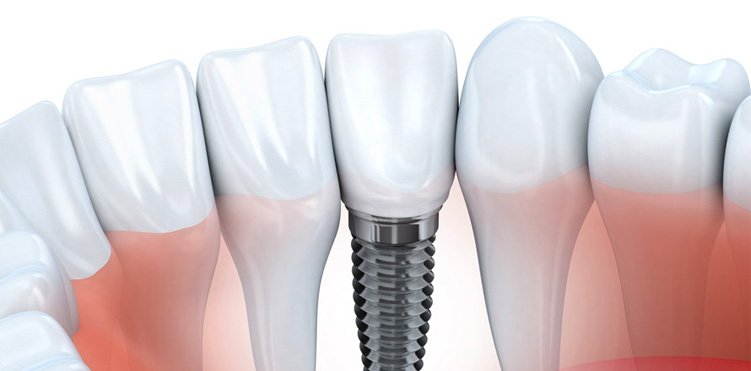
Dental implants
-
What are dental implants?
Dental implants are artificial tooth roots made of biocompatible materials, typically titanium, that are surgically placed into the jawbone. They provide a strong foundation for replacement teeth, such as crowns, bridges, or dentures, and are designed to look, feel, and function like natural teeth.
-
Who is a good candidate for dental implants?
Good candidates for implants are individuals with healthy gums and sufficient bone density in the jaw to support the implant. Additionally, candidates should have good oral hygiene and be free from conditions that could impair healing, such as uncontrolled diabetes or active smoking habits.
-
How long do implants last?
With proper care and maintenance, implants can last for many years, often a lifetime. Factors such as oral hygiene, overall health, and regular dental check-ups can impact the longevity of the implants.
-
What is the procedure for getting implants?
The implant procedure typically involves several stages, including the initial consultation, implant placement surgery, a healing period for osseointegration (where the implant fuses with the jawbone), and finally, the placement of the prosthetic tooth or teeth. The entire process can take several months.
-
Are dental implants safe?
Yes, implants are considered a safe and reliable option for tooth replacement. The procedure has a high success rate, and complications are rare when performed by a qualified dental professional. However, as with any surgery, there are risks, so it’s important to discuss these with your dentist.
-
How much do implants cost?
The cost of implants can vary widely depending on factors such as the number of implants needed, the type of implant, and the complexity of the procedure. While implants are generally more expensive than other tooth replacement options, their durability and natural appearance make them a worthwhile investment for many patients.
-
Do implants require special care?
Implants require similar care to natural teeth, including regular brushing, flossing, and dental check-ups. It is essential to maintain good oral hygiene to prevent complications such as gum disease, which can affect the implant’s success.
-
Can implants fail?
While implants have a high success rate, there is a small risk of failure. Factors that can contribute to implant failure include poor oral hygiene, smoking, certain medical conditions, and insufficient bone density. Regular follow-ups with your dentist can help monitor the implant and address any issues early on.
-
How do implants compare to other tooth replacement options?
Implants offer several advantages over other tooth replacement options, such as bridges and dentures. Implants provide a more natural appearance, better comfort, and improved functionality. They also help preserve jawbone density and prevent the shifting of adjacent teeth, which can occur with bridges or dentures.
-
Is the implant procedure painful?
The implant procedure is typically performed under local anesthesia, so patients should not feel pain during the surgery. Some discomfort may occur during the healing process, but this can usually be managed with over-the-counter pain relievers. Your dentist will provide instructions for managing any post-operative pain.
“`
