
Understanding Your Gummy Smile Treatment Options
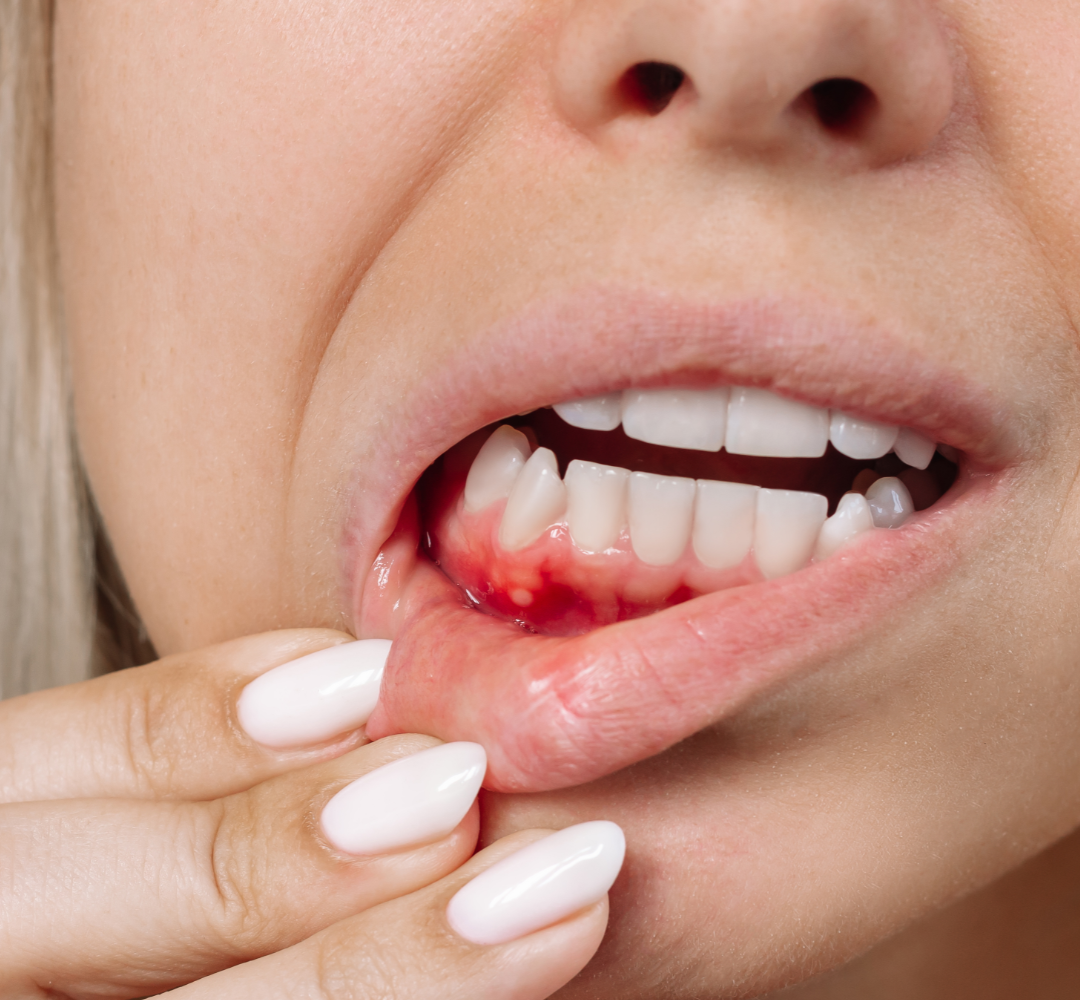
Understanding Your Gummy Smile Treatment Options
Have you noticed that quite a lot of gum shows when you smile? You may also feel that your teeth look shorter than they should, even though there is nothing wrong with the teeth themselves.
A gummy smile can happen for several reasons. The amount of gum you see when you smile can be influenced by the position of the teeth, the amount of gum covering them, and the way your upper lip moves. This is why gummy smile treatment in Melbourne is not necessarily the same for everyone.
Causes of a Gummy Smile
A gummy smile is not always caused by having too much gum. There can be several factors behind the way your smile looks.
These can include:
- Excess gum tissue, which can cover more of the tooth and make the teeth look shorter
- Teeth that have not fully erupted, leaving more of the tooth covered by gum
- Tooth shape or wear, which can make the visible part of the teeth look shorter
- An upper lip that moves higher when you smile, exposing more gum
- The position of the upper jaw, which can affect how much gum shows
- The position of the teeth, which can affect the relationship between the teeth and gum line
More than one factor can contribute to a gummy smile. Looking at the gum line alone, therefore, does not always tell us what is causing it.
Gummy Smile Assessment
The first step is to look at how your teeth, gums and lips come together when you smile.
We look at how much of each tooth is visible, where the gum line sits, how much gum covers the teeth and how your upper lip moves when you smile. We also check the position and health of the gums around the teeth.
This helps us understand whether the appearance is mainly related to excess gum tissue, the position or eruption of the teeth, upper lip movement, or a combination of factors.
That distinction matters because removing gum tissue will not address every type of gummy smile.
Gummy Smile Treatment Options
The right treatment for a gummy smile depends on what is causing it and the condition of the gums and teeth.
Gum Reshaping
When excess gum tissue covers part of otherwise healthy teeth, reshaping the gum line can expose more of the natural tooth. This is sometimes referred to as a gum lift or gingivectomy.
The amount of gum that can be reshaped needs to be assessed carefully. In some cases, the position of the underlying bone also needs to be considered before deciding whether this approach is suitable.
Crown Lengthening
If the gum and underlying bone sit lower over the tooth than they should, crown lengthening can be considered. This involves reshaping the gum and, where necessary, the bone underneath it to expose more of the natural tooth.
Treatment Related to Tooth Position
When the position of the teeth contributes to the appearance of the smile, orthodontic treatment may form part of the overall approach. Moving the teeth can change their relationship with the surrounding gums and how much of the teeth is visible when you smile.
Treatment Related to Upper Lip Movement
If the main reason for the gummy smile is the way the upper lip moves when you smile, changing the gum line may not address the underlying cause. In selected cases, treatment directed at excessive upper lip movement can be considered.
Is Gummy Smile Treatment Right for You?
Not every gummy smile needs treatment. Some people naturally show more gum when they smile, and there is nothing unhealthy about this.
Treatment can be considered when you are concerned about the appearance of your smile or when there is a specific gum or dental issue that needs attention. Understanding what is causing the gummy smile is an important part of deciding whether treatment is appropriate and which approach is suitable.
If you are considering gummy smile treatment in Melbourne, an assessment can help your periodontist determine whether the appearance is related to the gums, teeth, lips or a combination of factors.
Gummy Smile Treatment at Melbourne Periocare
At Melbourne Periocare, we assess the relationship between your teeth, gums and surrounding tissues to understand what is contributing to the appearance of your smile. We can then explain what we have found and discuss whether treatment is appropriate for your situation.
If you would like to discuss gummy smile treatment in Melbourne, contact Melbourne Periocare on 03 9817 1860 or book an appointment online.
Frequently Asked Questions
Is a gummy smile a dental problem?
Not necessarily. Showing more gum when you smile can simply be part of your natural smile. Treatment is generally considered when you are unhappy with the appearance or when there is an underlying gum or dental issue that needs attention.
Can a gummy smile develop over time?
Yes. Changes in the gums, teeth or the way they sit together can alter how much gum shows when you smile. Gum inflammation can also cause the gums to become enlarged, which can temporarily change their appearance.
Why does the bone underneath the gum matter?
The position of the bone can affect how much gum can be reshaped safely. If the bone sits close to the gum margin, simply removing gum tissue may not produce the result expected. This is one reason the gums and underlying structures need to be assessed before treatment.
Will gummy smile treatment change the size of my teeth?
The teeth themselves are not made larger by gum reshaping. When excess gum covers part of a tooth, removing some of that tissue can reveal more of the natural tooth, which can make the visible portion appear longer.
Can gum tissue grow back after a gum lift?
Gum tissue can change after treatment, particularly while the area is healing. The final gum position depends on factors such as the amount of tissue removed, the health of the gums and the underlying bone. Your periodontist can explain what to expect based on your individual situation.
Can a gummy smile be treated without reshaping the gums?
Yes, depending on what is causing it. If tooth position or upper lip movement is contributing to the amount of gum showing, a different approach may be more appropriate than gum reshaping alone.
How long does it take for the gums to heal after treatment?
Healing time varies depending on the type and extent of treatment. Your periodontist can give you more specific guidance after examining your gums and explaining the procedure being considered.
Can I have gummy smile treatment if I have gum disease?
Active gum inflammation or periodontal disease generally needs to be addressed first. Healthy gums provide a better foundation for any procedure involving the gum line, so your periodontal health will be assessed before treatment is planned.
Book your 45-minute consult today for a professional and detailed assessment, and take that first step towards your confident smile again!
Booking Your 45 Minute Periodontist Appointment in Melbourne is the start to your journey back to confidence and a healthy smile.
