
Gum Repair Surgery In Melbourne
Gum Repair Surgery In Melbourne
Gum Repair Clinic In Balwyn
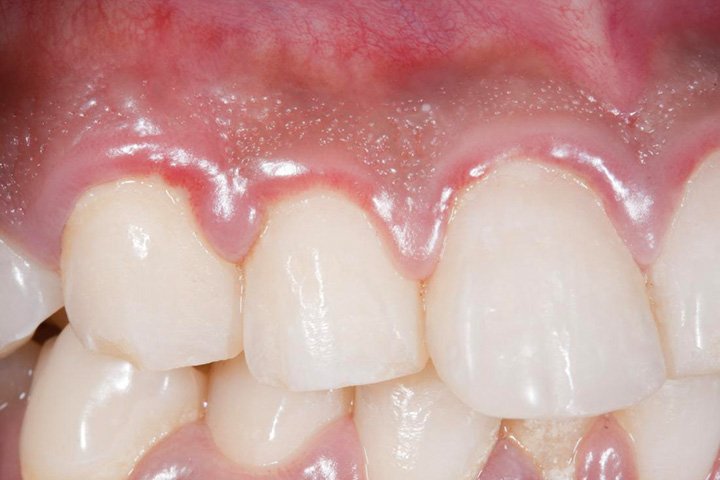
Gum recession usually happens slowly. Many people only notice it when a tooth starts to look longer, a cold drink causes a sharp twinge, or a dark gap appears near the gumline. Once gum tissue has receded, it doesn’t grow back by itself. Without treatment, the exposed root is more prone to sensitivity, wear and decay, and the recession can keep progressing.
At Melbourne Periocare in Balwyn, Dr Nupur Kataria assesses gum recession and, where it’s clinically appropriate, performs gum repair surgery to cover exposed roots and rebuild a stable band of healthy gum. Every treatment plan is based on a detailed periodontal examination, because no two cases of recession are the same.
No referral needed. You can book a 45-minute consultation directly.
What Causes Gums to Recede?
Recession is rarely caused by one thing alone. Common contributors include:
- Gum disease (periodontitis): inflammation that breaks down the gum and bone supporting the teeth
- Brushing too hard or using a hard-bristled toothbrush
- Thin gum tissue: some people are born with a more delicate gum type
- Grinding or clenching (bruxism) and bite-related forces
- Tooth position or past orthodontic treatment
- Smoking, which reduces blood flow to the gums
- Trauma from lip or tongue piercings, or from ill-fitting appliances
- Genetics and hormonal changes
Finding the cause is just as important as repairing the gum. If the cause isn’t addressed, recession can return. Learn more about receding gums and gum disease treatment.
Signs You May Need Gum Repair
- Teeth that look longer than they used to
- Sensitivity to cold, heat or sweet foods
- A visible notch or ridge where the tooth meets the gum
- Gums that look thin, see-through or uneven
- Food catching between teeth more often
- Bleeding, redness or swelling along the gumline
If you’ve noticed any of these, an early assessment can show how far the recession has progressed and which options suit you.
Gum Repair Techniques
The right approach depends on how much recession there is, how thick your gum tissue is, and how many teeth are involved. Depending on your situation, options may include:
- Connective tissue graft: a small amount of tissue, usually from the palate, is placed under the existing gum to cover the exposed root and thicken the tissue.
- Free gingival graft: used mainly to add thickness where the gum is very thin, helping protect against further recession.
- Coronally advanced flap: the existing gum is gently repositioned to cover the exposed root, sometimes combined with a graft.
- Tunnel technique: a minimally invasive method that repositions gum across one or several teeth without vertical incisions.
- Donor or substitute tissue: in some cases, this can be used in place of tissue from your palate.
Dr Kataria will explain which technique she recommends and why. For more detail on grafting, see our gum grafting page.
What to Expect
- Consultation and assessment: a full periodontal examination, measurements of the recession, and X-rays where needed.
- Treating the cause: any gum inflammation or contributing habits are addressed first, sometimes with scaling and root debridement.
- Treatment planning: your options, likely outcome, costs and risks are discussed before you decide.
- The procedure: performed in our Balwyn clinic under local anaesthetic.
- Recovery: you’ll receive written aftercare instructions. Most people have some tenderness for a few days and follow a soft diet while early healing takes place.
- Review appointments: we check healing and gum stability as the tissue matures over the following months.
See our post-operative care page for more on recovery.
Why Choose Melbourne Periocare?
- Periodontal care focused on gums, bone and implants
- An unhurried 45-minute first consultation
- Clear explanations at every step, so you can make an informed decision
- A Balwyn clinic convenient to Kew, Camberwell, Box Hill, Hawthorn and the wider eastern suburbs of Melbourne
Frequently Asked Questions
Is gum repair surgery painful?
The procedure is done under local anaesthetic, so you shouldn’t feel pain during treatment. Afterwards, mild to moderate tenderness is common for a few days, especially if tissue was taken from the palate. Over-the-counter pain relief is usually enough.
How long does recovery take?
Initial healing usually takes one to two weeks. During that time you’ll eat soft foods and avoid brushing the treated area. The gum keeps maturing for several months afterwards.
Will my gums grow back without surgery?
No. Receded gum tissue doesn’t regenerate by itself. Non-surgical care can help stop recession getting worse, but covering an exposed root usually needs a surgical procedure.
Is gum repair surgery covered by health insurance?
Many private health funds with extras cover contribute toward periodontal procedures. The amount depends on your fund and level of cover. We can give you item numbers so you can check with your insurer before treatment.
Do I need a referral?
No. You can book directly, although many patients are also referred by their dentist.
Can recession come back after surgery?
Grafted tissue is generally stable when the underlying cause is managed. Gentle brushing, treating grinding, and regular periodontal maintenance all help protect the result.
Any surgical or invasive procedure carries risks. Before proceeding, you should seek a second opinion from an appropriately qualified health practitioner.
Book a Gum Repair Consultation
Book a 45-minute consultation with Dr Nupur Kataria to have your gums assessed and your options explained. Call (03) 9817 1860 or book online.
Book your 45-minute consult today for a professional and detailed assessment, and take that first step towards your confident smile again!
Booking Your 45 Minute Periodontist Appointment in Melbourne is the start to your journey back to confidence and a healthy smile.
