
Excess Gum Growth
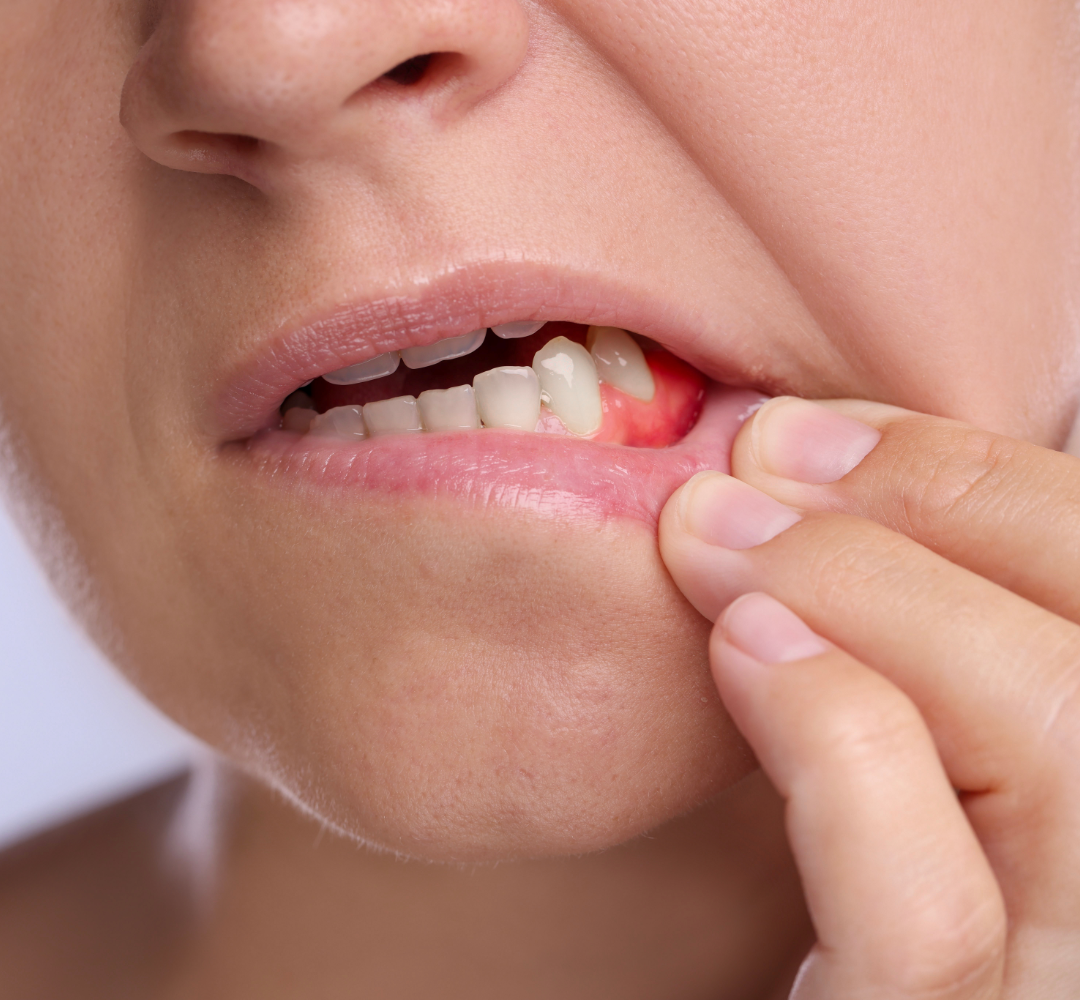
Understanding Excess Gum Growth and Treatment Approaches
Changes in the appearance of your gums can sometimes be easy to overlook, especially if they are not painful. A small lump, localised swelling, or an area of excess gum tissue may develop gradually and be noticed only while brushing, eating, or looking in the mirror. While some changes may be harmless, others can be associated with inflammation, infection, trauma, medications, or underlying periodontal conditions.
At Melbourne Periocare, we provide excess gum growth treatment in Melbourne for patients experiencing changes in their gum tissues. Because gum enlargements and lumps can have many different causes, a thorough assessment is an important first step in understanding what may be contributing to the condition and whether treatment is appropriate.
What Can Cause Excess Gum Growth or a Lump on the Gum?
The gums are living tissues that constantly respond to bacteria, irritation, injury, medications, and changes within the body. As a result, excess gum growth or a lump on the gum can develop for a variety of reasons.
Some possible causes include:
- Plaque-induced inflammation
- Periodontal infection
- Local irritation from dental restorations or appliances
- Certain medications that can cause gingival enlargement
- Hormonal changes
- Trauma to the gum tissues
- Benign soft tissue growths
- Less commonly, other underlying oral conditions that require further investigation
Because several conditions can appear similar, clinical examination is important before deciding on any management approach. It is best to avoid assuming the cause based on appearance alone. Patients seeking gum lump treatment in Melbourne can schedule a consultation with their periodontist to find a suitable treatment approach based on their condition.
Assessment and Diagnosis
Excess gum tissue or localised swellings are symptoms rather than diagnoses. During your consultation, your periodontist will assess the size, location, appearance, and consistency of the affected tissue while also evaluating the surrounding gums, teeth, and supporting bone.
Depending on the findings, assessment may include:
- A comprehensive periodontal examination
- Assessment of plaque and calculus deposits
- Periodontal pocket measurements
- Radiographs where appropriate
- Evaluation of any contributing local or systemic factors
This helps determine whether the swelling is related to periodontal disease, local irritation, medication-induced gingival enlargement, or another oral condition.
How Is Excess Gum Growth Managed?
Not every area of excess gum tissue requires the same treatment. Management is guided by the underlying diagnosis, whether the enlargement is related to inflammation, medication, local irritation, or another condition affecting the gums.
In situations where the excess tissue is associated with plaque accumulation or periodontal inflammation, treatment may focus on improving the health of the gums through:
- Professional periodontal debridement
- Improved plaque control
- Personalised oral hygiene instruction
- Ongoing monitoring where appropriate
If the excess tissue persists, continues to enlarge, or makes it difficult to maintain good oral hygiene, eat comfortably, or clean around the teeth, surgical management may be considered.
Depending on the clinical findings, this may include:
- Removal or reshaping of excess gum tissue (gingivectomy or gingivoplasty where appropriate)
- Management of underlying periodontal disease
- Elimination of local contributing factors
- Biopsy or laboratory assessment where clinically indicated
If you’ve noticed a lump on your gum, a comprehensive periodontal assessment can help determine the cause and discuss whether treatment is appropriate. Following a comprehensive assessment, your periodontist can discuss the most appropriate management approach based on your individual clinical findings.
When Should You Have a Gum Lump Assessed?
While not every lump or area of excess gum tissue represents a serious condition, any swelling that persists, changes in size, bleeds easily, or causes discomfort should be professionally assessed.
If you are looking for gum growth and lump treatment in Melbourne, Dr. Nupur Kataria can perform a comprehensive periodontal examination to determine the cause of the swelling and discuss appropriate management options based on your individual clinical findings.
You can contact Melbourne Periocare on 03 9817 1860 or book your appointment online to arrange a consultation.
Frequently Asked Questions
What causes excess gum growth?
Excess gum growth can occur for several reasons, including inflammation, periodontal disease, certain medications, hormonal changes, or local irritation. A periodontal assessment helps identify the underlying cause.
Is a lump on the gum always an infection?
No. While some gum lumps are associated with infection, others may result from irritation, benign soft tissue growths, or other oral conditions. Clinical examination is important to determine the cause.
Does every gum lump need surgery?
Not necessarily. Some conditions can be managed with non-surgical periodontal treatment and improved plaque control, while others may require surgical management depending on the diagnosis.
When should I see a periodontist about a gum lump?
If the swelling persists, becomes painful, bleeds, changes in appearance, or interferes with eating or cleaning your teeth, it is advisable to have it assessed.
Can excess gum tissue return after treatment?
This depends on the underlying cause. Ongoing plaque control, regular periodontal maintenance, and management of contributing factors may help reduce the likelihood of recurrence.
Can excess gum growth be a sign of gum disease?
In some cases, excess gum growth may be associated with periodontal disease or ongoing inflammation caused by plaque accumulation. However, it can also occur for other reasons, including medications, hormonal changes, or local irritation. A clinical assessment is needed to determine the underlying cause.
Can medications cause excess gum growth?
Yes. Certain medications, including some used to manage high blood pressure, epilepsy, and immune-related conditions, may contribute to gingival enlargement in some individuals. Your periodontist will consider your medical history during the assessment.
Is treatment for excess gum growth painful?
Treatment is planned according to the diagnosis and may involve non-surgical or surgical care. Where surgical procedures are required, they are generally performed under local anaesthesia, and your periodontist will explain what to expect beforehand.
Can excess gum growth affect my oral hygiene?
Yes. Excess gum tissue can sometimes make it more difficult to clean around the teeth effectively, allowing plaque to accumulate more easily. This may increase the risk of further inflammation if not managed appropriately.
Will I need a biopsy for a gum lump?
Not every gum lump requires a biopsy. However, if the appearance or characteristics of the tissue indicate that further investigation is appropriate, your periodontist may recommend sending a small tissue sample for laboratory assessment.
Book your 45-minute consult today for a professional and detailed assessment, and take that first step towards your confident smile again!
Booking Your 45 Minute Periodontist Appointment in Melbourne is the start to your journey back to confidence and a healthy smile.
